
FIC Highlights Responsible Journalism at GIABA Regional Training
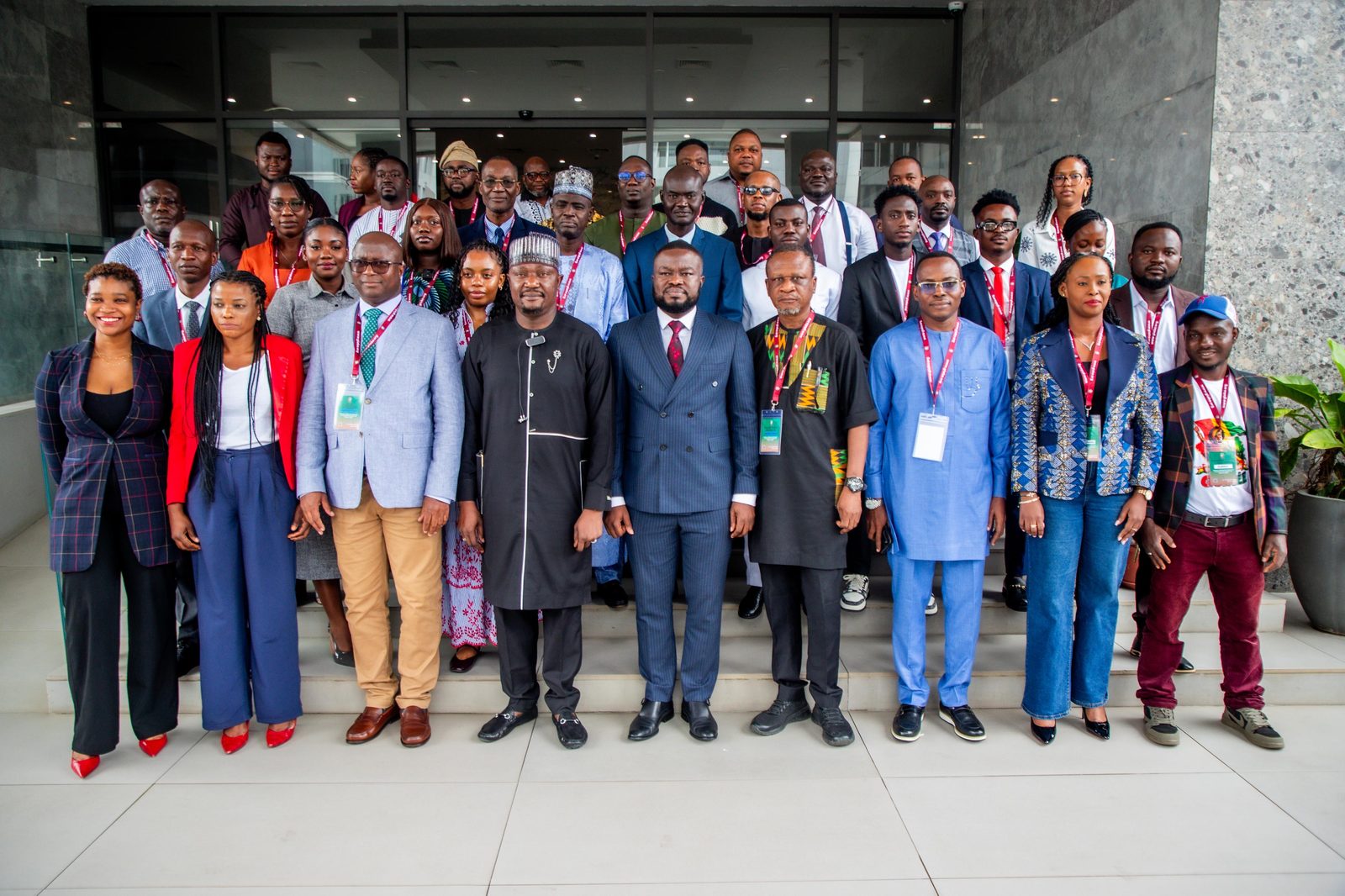
The Financial Intelligence Centre (FIC) has emphasised the importance of accurate, evidence-based journalism and sustained collaboration in combating economic and financial crime at a three-day regional training organised by the Intergovernmental Action Group Against Money Laundering in West Africa (GIABA).
Held from 22–24 September 2026 at The Palms by Eagles Hotel in Accra, the Regional Training for Journalists on Investigative Reporting of Economic and Financial Crimes brought together 40 participants from 15 West African countries. Ghana accounted for 15 participants, with the remaining 25 drawn from across the region.
Participants included reporters, business and financial journalists, editors, presenters, news producers and media executives from radio, television, print and digital platforms across West Africa. The FIC and the ECOWAS Commission's Communication Directorate were also represented.
Opening Ceremony and Foundation Sessions
Mr. Benjamin Ofori, Director, Legal, delivered the welcome address on behalf of the Chief Executive, Mr. Albert Kwadwo Twum Boafo. The address underscored the shared responsibility of financial intelligence units, law enforcement agencies, regulators, the judiciary, the private sector, civil society and the media in addressing financial crime. Emphasising institutional collaboration, Mr. Ofori noted;
“This workshop rests on a simple reality: no single institution can win the fight against economic and financial crime.”
The address encouraged journalists to examine ownership structures, relationships and financial flows while maintaining rigorous verification, protecting sources and respecting due process. The address called for reporting that explains the operation of financial crime, its effects on communities and economies, and the measures taken to address it.
The first day's technical programme focused on the anti-money laundering and countering the financing of terrorism (AML/CFT) framework and GIABA's regional role, reporting on the offences that generate proceeds for money laundering, and cooperation between journalists and economic and financial crime investigators.
Developing Investigative Skills
The second day focused on using Mutual Evaluation Reports, National Risk Assessments and countries' AML/CFT status to inform investigative stories. Sessions also addressed building trust with information sources and applying solutions journalism to examine responses to financial crime through evidence of effectiveness, lessons learned and limitations.
Further discussions covered digital research tools, verification of information and the accurate use of AML/CFT terminology to support clear and responsible reporting.
Practical Application and Continued Engagement
The final day's programme included a session on following the money and connecting wealth to crime, group work and presentations, and discussion of networking among AML/CFT sectoral groups in West Africa. It also included a training evaluation and presentation of the workshop communiqué.
The FIC was represented in the technical sessions by Ms. Sitsofe Adzo Mawugbe of the PR & Protocol function. The engagement provided an opportunity to build professional relationships with media practitioners and exchange perspectives on financial crime reporting and the Centre's mandate.
The Centre reaffirmed the importance of supporting responsible journalism through institutional expertise and information that can lawfully be shared, while safeguarding confidentiality and respecting journalistic independence.
Issued by: The Public Relations & Protocol Unit, Financial Intelligence Centre